
IRF White Paper on Integrated Asset Management
An integrated asset management workflow that coordinates maintenance management and structures management functions improves the operational efficiency of all structures-related fieldwork. Asset management systems that successfully integrate these processes provides numerous benefits by meeting the needs of the relevant business units, the agency, and, ultimately, the traveling public.
According to the White Paper, bridge and maintenance operations represent an enormous part of the asset value of transportation agencies. Inspecting, maintaining, and managing bridges is crucial to public safety and regulatory compliance. These combined tasks require the efforts of multiple teams as well as a tremendous amount of time and money.
Yet more often than not, time and money are wasted when communication breaks down between the “bridge side” and the “maintenance side” of operations. This disconnect can cause inconsistent data across teams, delayed bridge repairs, loss of operational efficiency, loss of bridge service life and network performance, and—most importantly—higher public safety risks.
It’s a familiar situation at many agencies around the world. Inspectors go out to assess bridge condition, identify problems, and then recommend any needed maintenance or repair work. After that, the maintenance team, which may be in a different business area, decides which work will be done and performs the work.
Unless communications and workflows are integrated across teams, the inspectors and bridge staff may not be aware of what maintenance work has been done on a bridge until the next inspection up to 2 years later.
Communication gaps occur because, at most agencies, the inspection team’s main data source and the maintenance team’s data source are traditionally in different places. The inspection team’s source of information is the bridge database of inventory and condition data. Meanwhile, the maintenance team uses an inventory of all asset types along with a catalog of work requests and work orders for the whole asset portfolio.
More often than not, an agency’s organizational and IT structure keeps these systems separate, without a shared database or a free flow of asset-specific communication between the relevant teams.
[/column_1] [/column]Editor's Pick
Related Posts
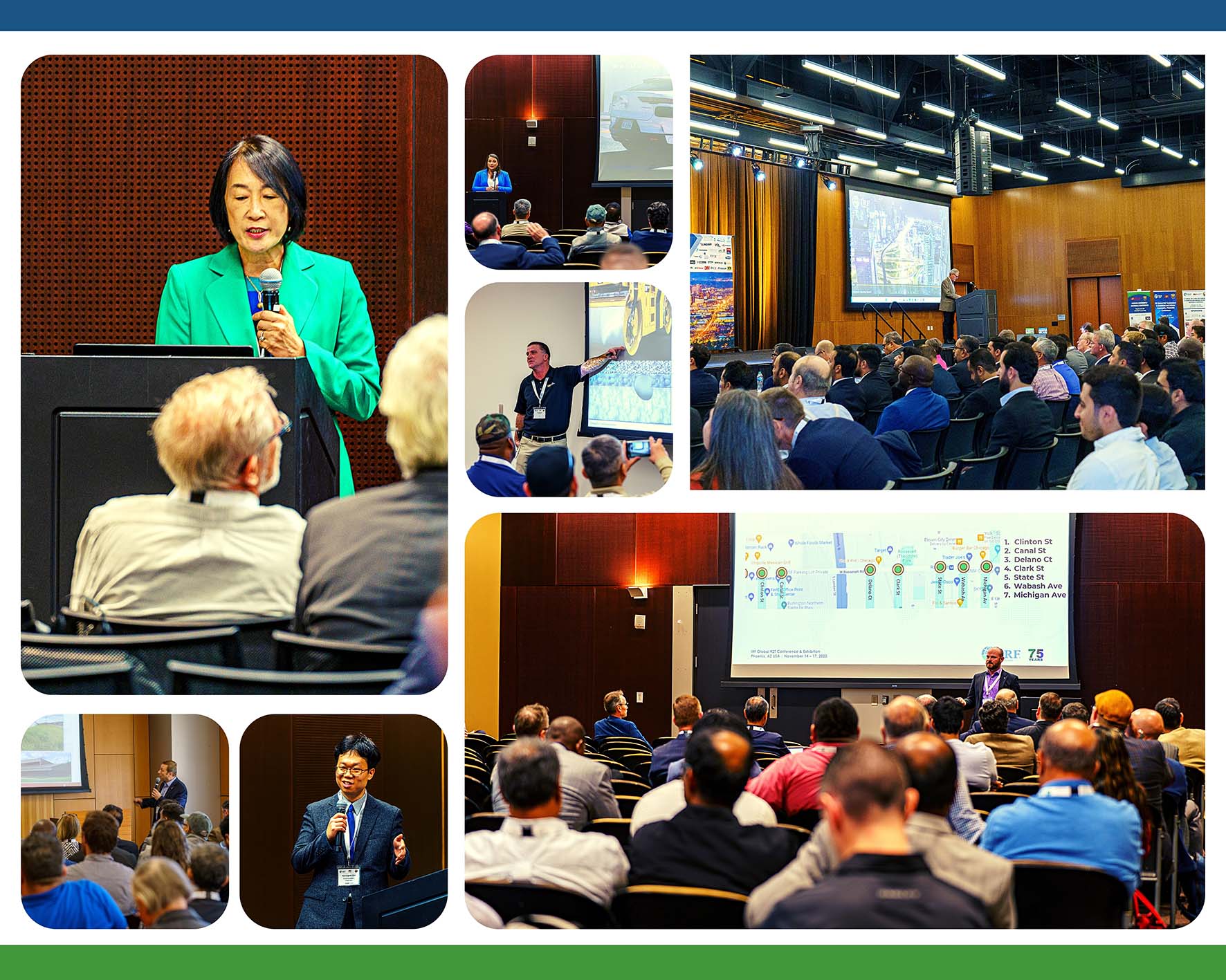
The International Road Federation (IRF Global) has officially announced the ‘Call for Papers’ for the upcoming IRF Global R2T Conference, scheduled for December 10-13, 2024. This prestigious annual event, hosted in Orlando this year, brings together professionals from around the globe to explore innovations and research within the transportation industry.
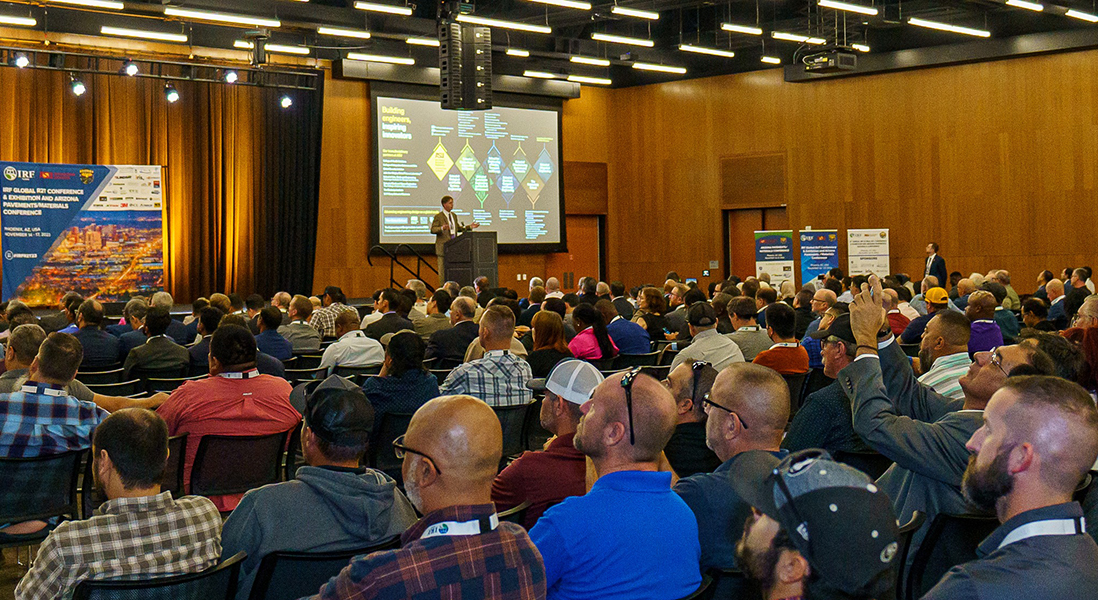
The International Road Federation (IRF Global) recently convened the IRF Global R2TConference in Phoenix, Arizona, drawing over 800 stakeholders from around the globe.
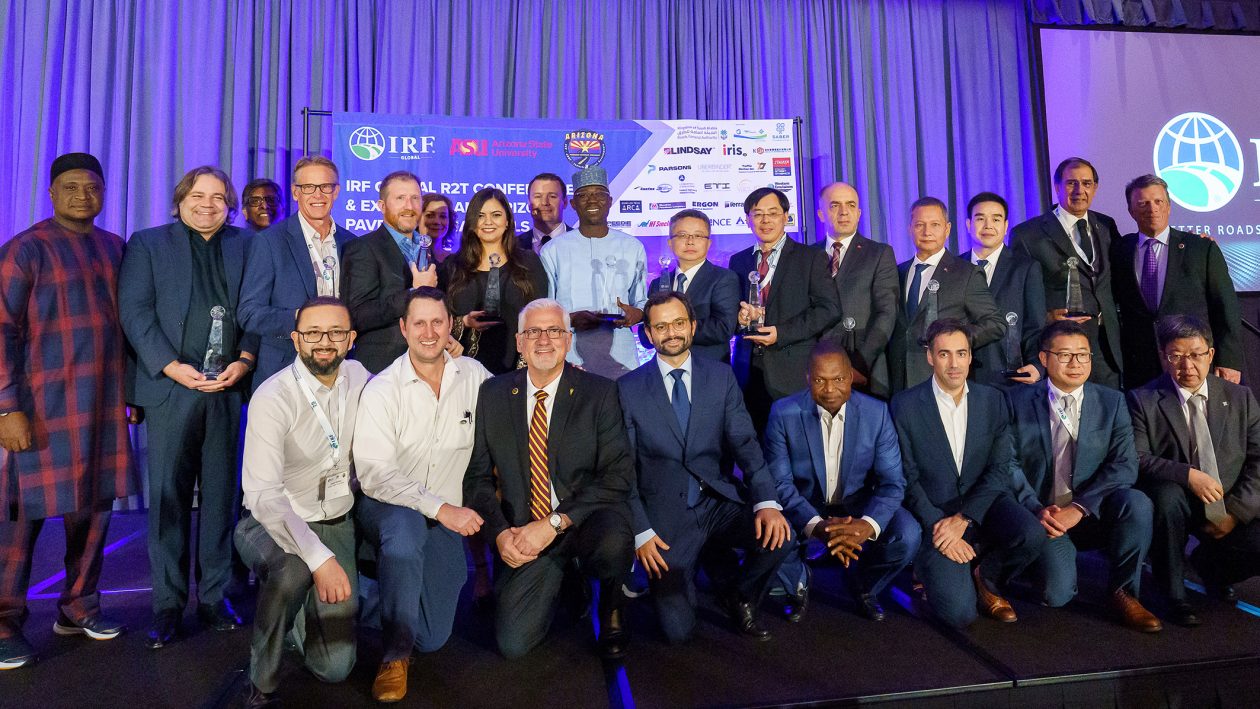
The International Road Federation (IRF Global) is proud to announce the recipients of the prestigious IRF Global Road Achievement Awards, recognizing exemplary contributions and achievements in the field of transportation infrastructure.